
Request for Abstracts
Flow & Flourish Convening
- Home
- /
- Flow & Flourish
- /
- Request for Abstracts &...
We are seeking engaging presentations and panel ideas that will communicate important elements of this work. We have five themes identified, with a brief description of each.
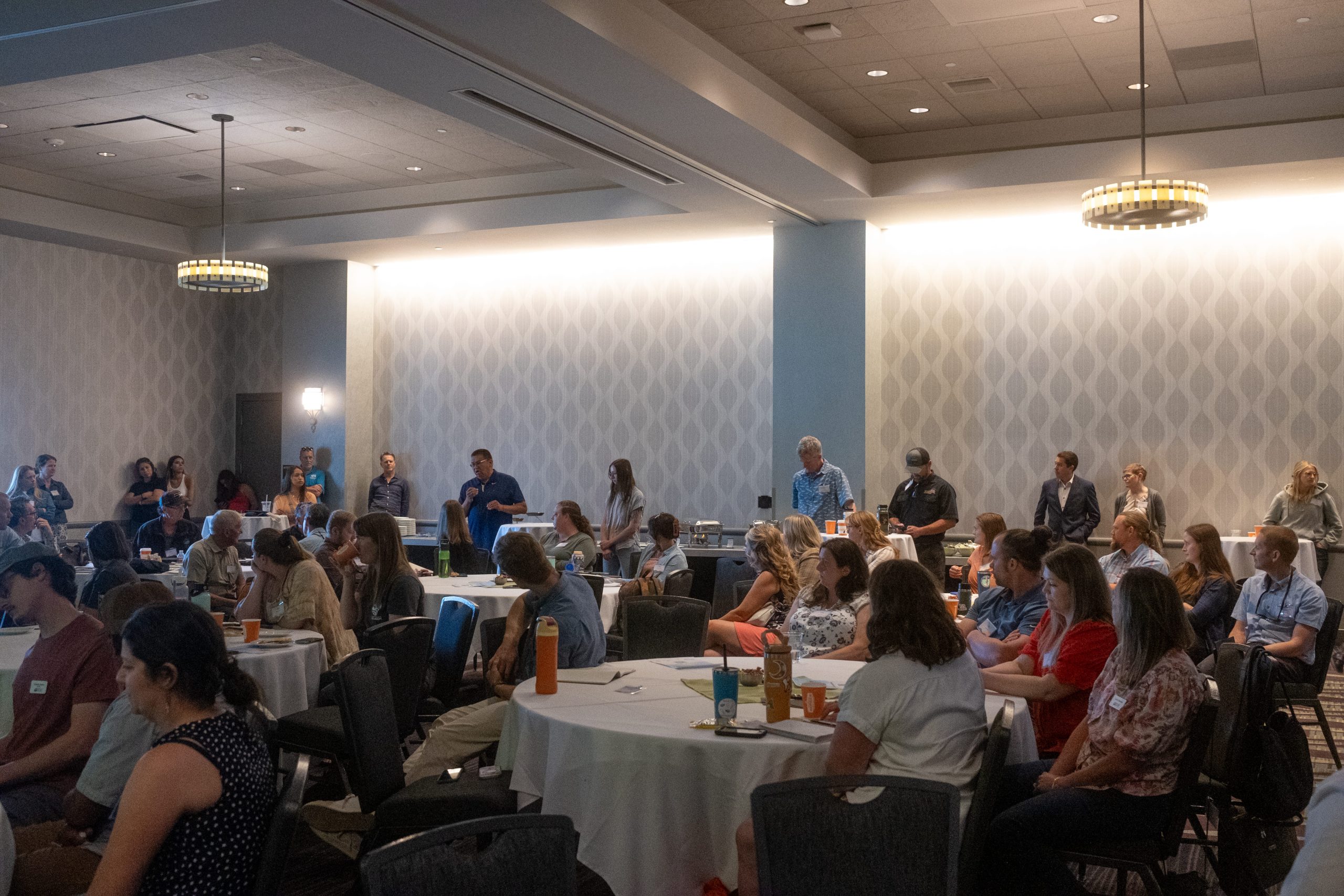
Submission Themes
The call for abstracts is now open! Deadlines for submissions is July 10, 2026.
Theme 1: Fund Immediate Needs
Theme Topics
- Share a project that prevented flood damage or saved money Before/after comparisons that illustrate real outcomes
- Community impact stories from the ground
Visions for Scale
- Needs in the context of climate change
- What is the State’s strategy given the known scale of unmet need?
- Investment opportunities: what could $X unlock?
- Models from other states worth importing How to increase funding
Theme 2: Speed Solutions
Theme Topics
- Streamlining for public-benefit restoration projects CLOMR/LOMR improvements and FEMA map updates
- Electronic portal scoping (e.g., Virginia’s PEEP model)
Hazard Mapping & Tech
- Realities of current mapping Improved flood and Channel Migration Zone mapping
- State LOMR capacity
Theme 3: Stop the Problem
Theme Topics
- How to keep people out of high risk areas [eg. model ordinances, Zoning, ADUs, Low Income housing, BFEs and Freeboard, Reconciling different mapping, enforcement]
Disclosure Information
- Access Comprehensive pre-contract flood disclosure (like NJ, NY)
- Public communications Realtor, local government and development perspective
Managed Retreat & Buyouts
- Voluntary buyout programs: lessons / needs
- Elevations and flood-proofing pathways
- Equity-centered approaches for mobile home residents, renters
Recovery & Mitigation Cycles
- Breaking the rebuild-flood-rebuild loop
- Post-disaster policy windows and how to use them
- December 2025 floods: what worked, what didn’t
Theme 4: Build Capacity
Theme Topics
- Understanding the Washington policy landscape and how to make meaningful change [Home rule, private property rights]
- What can we learn from other state or jurisdictional abilities to limit development in high risk areas
Relational Infrastructure
- Cross sector relationships
- Building durable coalitions across political lines
Theme 5: Other
Learn More

Washington Acts for Integrated Flood Resilience
This is more than a recovery strategy. It is a call to move Washington toward long-term flood resilience through integrated floodplain management.
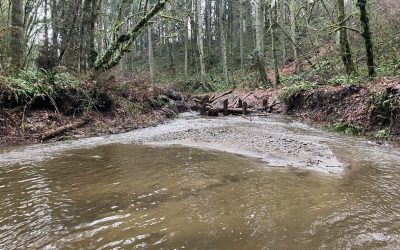
Swan Creek Channel Restoration at Work
In Pierce County, the Swan Creek Channel Restoration Project is doing exactly what it was built to do: slowing fast water, reducing erosion, and helping the creek absorb flood flows rather than fight them.
Tracking What’s Ready
What projects are ready to move right now to recover, reduce risk and restore rivers?