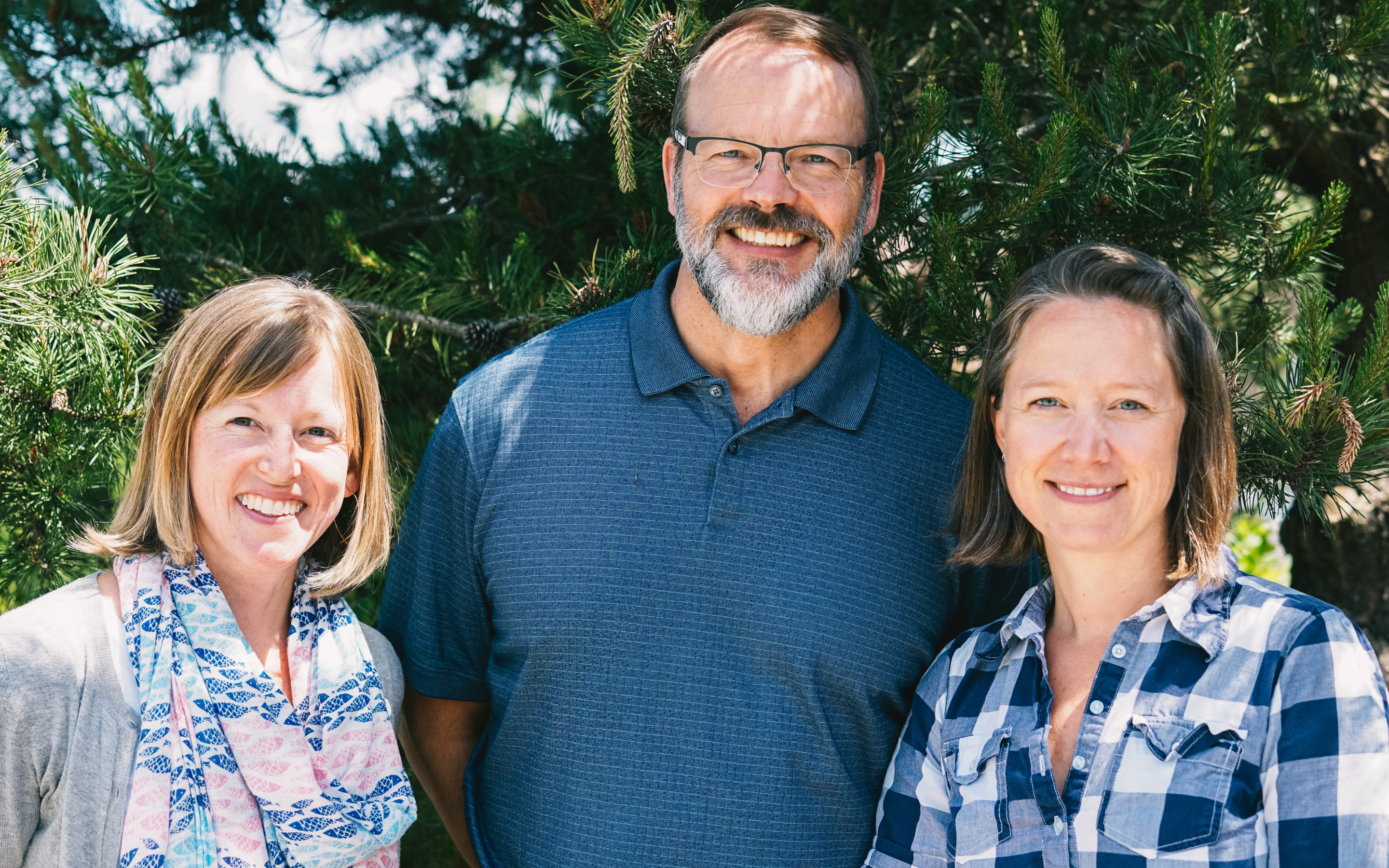
In the Spring of 2018, myself – Jordan Jobe (WSU Puyallup), Kristin Williamson (South Puget Sound Salmon Enhancement Group) and Harold Smelt (Pierce County Surface Water Management) participated in a Floodplains by Design (FbD) storytelling training, and shared our trio of stories at the FbD Spring Workshop alongside 7 other cohorts from different watersheds. We appreciated the opportunity to participate in this workshop and worked hard as a group to develop a complementary set of stories. We found that the storytelling training was helpful to find creative ways to relate to others who represent different, and sometimes conflicting, interests. Harold feels like he is now a better advocate for the issues that he is passionate about, and Kristin often uses pieces of her story, and pieces of mine and Harold’s, in explaining the work that we do in the Puyallup Watershed.

In April of 2019, we were honored to be asked to share our stories at the closing plenary at the Washington State’s Recreation and Conservation Office’s Salmon Recovery Conference. One of the conference organizers heard our stories at the FbD workshop and thought it would be fitting to have us tell our stories to help set a sense of place for the Salmon Recovery Conference held in Tacoma.
To be honest, we were a bit terrified to stand in front of over 1000 people and share why we love the work we do, and as Governor Gary Locke and Cecilia Gobin of the Tulalip Tribe preceded us, the stakes felt very high! We each reworked key messages of our stories to suit the salmon-centric audience. “Although the story didn’t change that much, I found ways to emphasize the impacts past practices had on salmon habitat and put a much more hopeful spin on how our current practices might benefit salmon recovery,” Harold said.

Although this experience pushed us out of our comfort zones, the response was overwhelmingly positive and encouraging. Kristin finished our storytelling with the following conclusion: “On behalf of our team here, we want to thank you all for listening to our stories from the Puyallup River. We know you have all come here to gather in Tacoma with your own stories from your watersheds; stories of your projects, your challenges, and your successes. We would like to encourage you to share your stories today and every day. The art of storytelling is an ancient practice, designed to propel future generations forward armed with the wisdom of the past. As we think about the theme of this year’s conference, Facing the Future Together, why not let our stories bind us together, so that we may stand strong together as we step into the next 20 years of salmon recovery efforts.”
While we don’t typically find ourselves speaking in front of 1000 people (thank goodness!), this unique opportunity allowed us a chance to share our professional and personal passions with a welcoming and engaged audience, and will encourage us to continue working hard for communities living in the Puyallup Watershed.